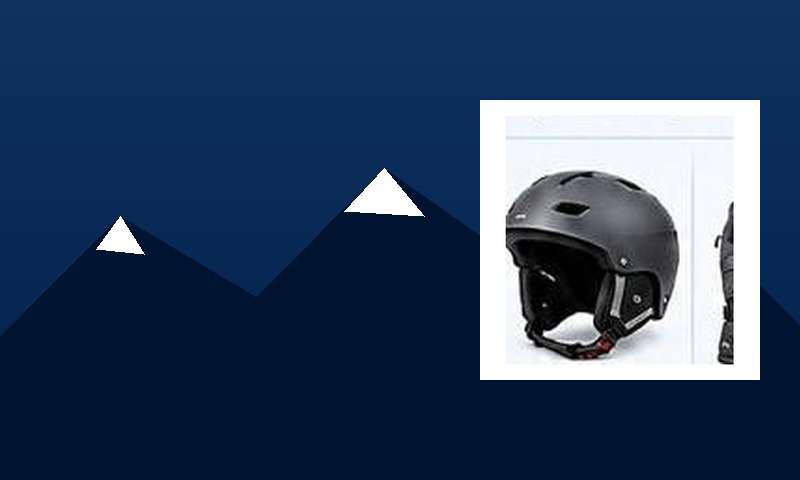
Why Standard Skate Helmets Are Unsafe for Alpine Snow
Ski and snowboard helmets are tested under extreme sub-zero conditions (-25C) to ensure protective foam polymers do not shatter upon sudden tree or rock collision. Standard cycling or skateboarding helmets fail these sub-zero impact standards and lack thermal insulation.
#
Mandatory Certification Standards
Look for certified laboratory markings on the inner EPS liner:#
Rotational Impact Tech (MIPS & Spherical)
Traditional helmet testing dropped headforms vertically onto flat surfaces. However, real-world ski accidents almost always involve **angled, glancing impacts** that cause the brain to rotate rapidly within the skull cerebrospinal fluid.- Systems like MIPS incorporate a low-friction slip-plane layer that moves 10-15mm upon angled impact, significantly dampening rotational strain imparted to deep brain tissue.
#
Perfect Goggle Integration ('The Gaper Gap')
When trying on a helmet, always test with your ski goggles:1. The top brow of the goggle should sit flush against the bottom rim of the helmet brim.
2. A gap allows icy headwinds to freeze your forehead, causing severe sinus headaches.
3. If the helmet pushes the goggle frame down onto your nose bridge, breathing is restricted.